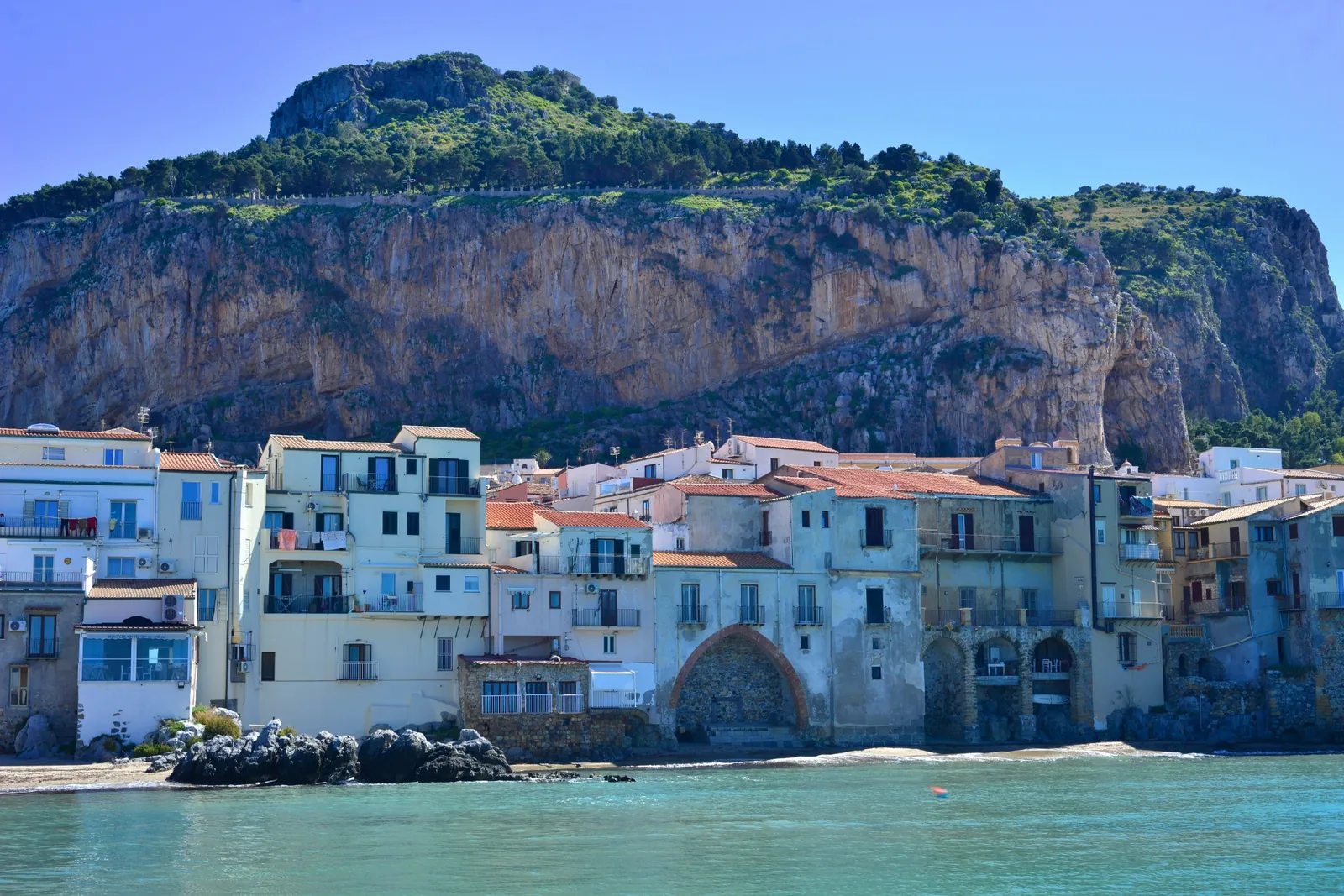
 Culture & Coast
Sicily
Italy's largest island blends Greek temples, volcanic landscapes, and some of the most authentic food in the Mediterranean. Best explored by choosing a base on the east or west coast.
Sicily guide →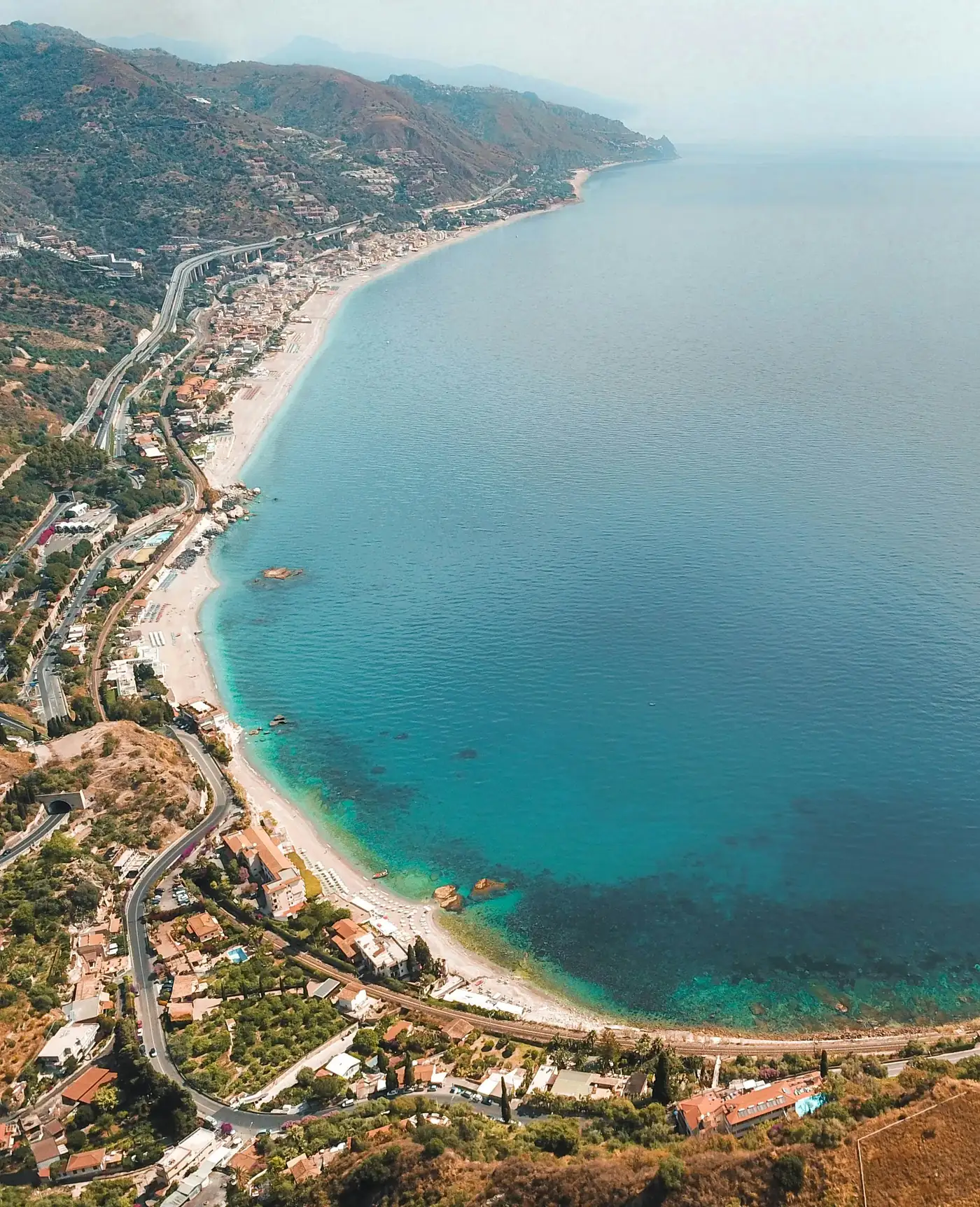 History & Culture
Rome
Two thousand years of history within walking distance. Rome rewards slow travel — every neighborhood offers something different, from ancient forums to Renaissance piazzas and baroque fountains.
Rome guide →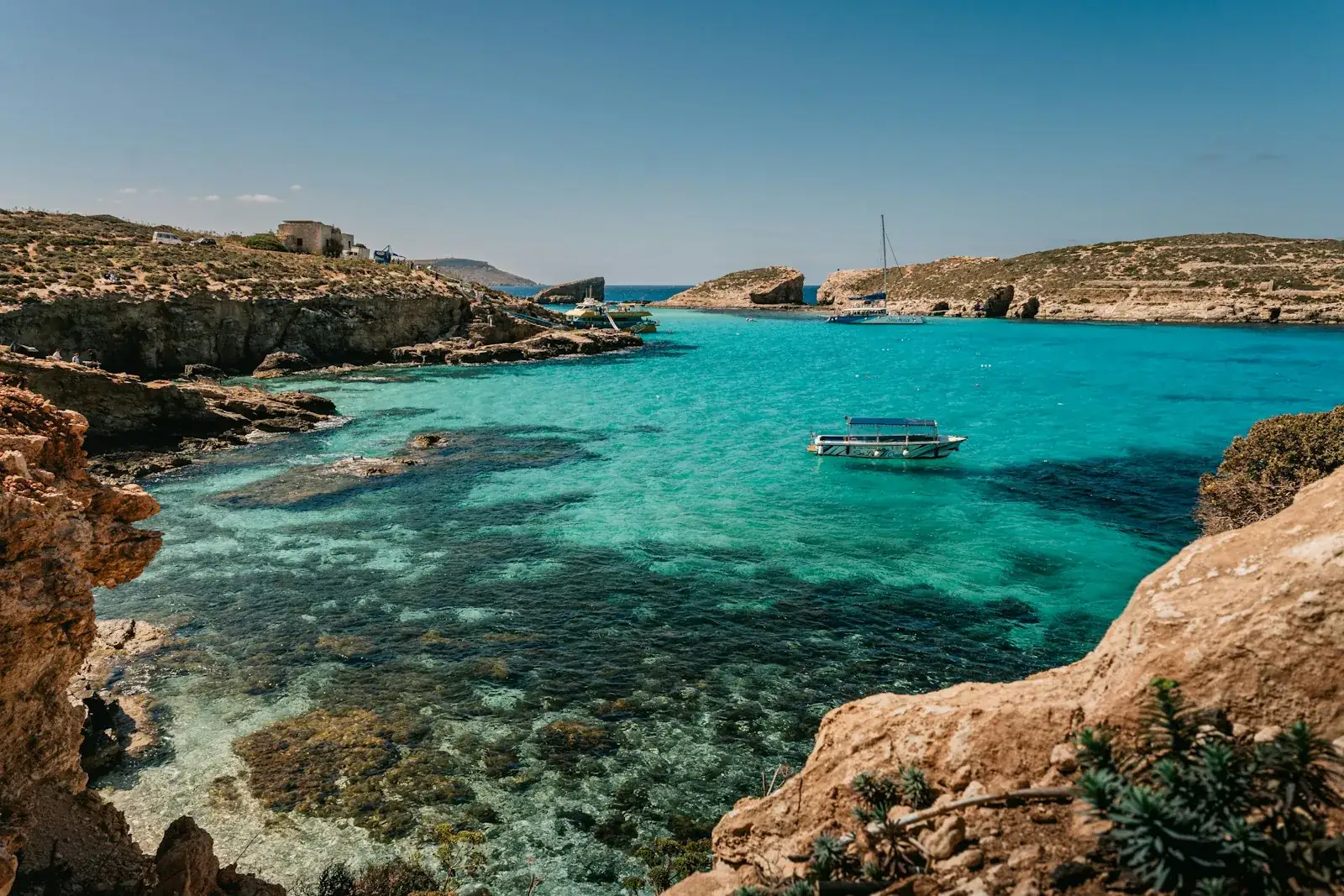 Romantic Cities
Venice
No cars, no crowds in the shoulder season, and a canal city unlike anything else in Europe. Best experienced by staying in the centro storico rather than the mainland suburb of Mestre.
Venice guide →Planning an Italy trip
Italy is one of Europe's most visited countries, and the range of experiences available — ancient ruins, Renaissance art, volcanic islands, Alpine lakes, coastal towns, and world-class food — is unmatched within a single country. But Italy's size and internal diversity mean that planning matters. A week in Italy spent trying to see everything will leave you exhausted and underwhelmed. A week spent focused on one region or two well-connected destinations will leave you wanting to return.
The three destinations covered here represent a cross-section of what Italy offers. Rome works as a standalone trip or as one leg of a multi-city itinerary. It concentrates ancient and Renaissance history at a scale few cities can match, and the compact historic center means that most major sights are within walking distance of a centrally located hotel. Venice is best suited to a short focused stay — two to three days in the shoulder season gives you enough time to explore beyond the main tourist circuit without being overwhelmed by the summer crowds. Sicily requires the most planning of the three: the island is large, roads are slow, and the best approach is to choose either the east coast or the west coast as your focus rather than attempting to circle the entire island on a single trip.
Transport between these destinations is efficient by high-speed train. The Trenitalia Freccia and Italo networks connect Rome and Venice in approximately four hours, making a combination of the two straightforward. Adding Sicily to either requires a flight — Catania (CTA) for the east side of the island, Palermo (PMO) for the west — or the slower but scenic rail-and-ferry crossing from the mainland. For a multi-destination trip that includes Sicily, flying in and out of different airports on the island avoids unnecessary backtracking.
The best time to visit depends on the destination and what you are planning to do. Rome and Venice are most comfortable in spring (April to May) and early autumn (September to October), when temperatures are moderate and the heaviest summer crowds have subsided. Sicily has a longer useful season — warm enough for coastal sightseeing and beach days from June through September — with April and October both viable for cultural itineraries. July and August bring the highest prices, longest queues, and peak temperatures across all three destinations. Booking accommodation and major sights in advance is strongly recommended during these months.
A common planning mistake is underestimating how much time each destination deserves. Rome alone needs a minimum of three days for a first visit; five days allows for a more comfortable pace that includes the Vatican, Colosseum, Trastevere, and neighborhoods beyond the main sights. Venice works well for two to three days. Sicily needs at least a week to do one side justice. Trying to combine all three into a single short trip means you are rushing through each one rather than experiencing any of them properly.
Airports
Rome: Fiumicino (FCO) and Ciampino (CIA). Venice: Marco Polo (VCE) and Treviso (TSF). Sicily: Catania Fontanarossa (CTA) for the east coast, Palermo Falcone Borsellino (PMO) for the west.
Getting around
High-speed trains (Trenitalia Freccia, Italo) link Rome and Venice in 4 hours. Sicily requires a flight or rail-and-ferry crossing. Renting a car is recommended for Sicily but is unnecessary — and often counterproductive — in Rome and Venice centers.
Best season
April to May and September to October for cities. June to September for Sicily's coastline, though August is peak season with highest prices. Christmas and New Year in Rome is popular but expensive; book well in advance.