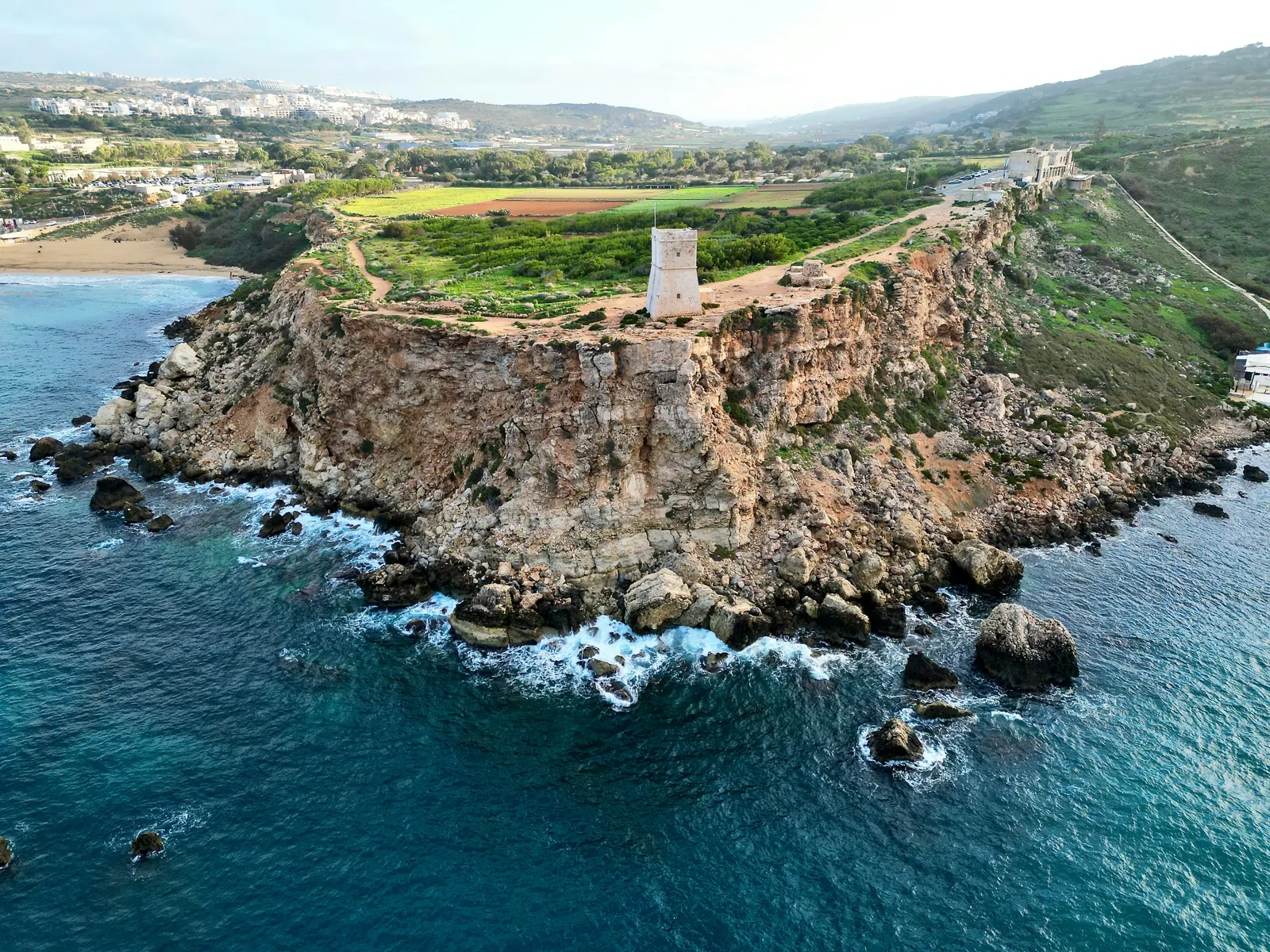
Why Sicily needs a clear plan
Sicily is the largest island in the Mediterranean. It is not a place where one hotel works as a base for everything. The right choice depends on whether you want to focus on the Greek ruins in the south, the baroque towns of the east, or the vibrant street life of Palermo.
Destination highlights
Use these as a starting point. The final plan should match your travel style, not just a generic list.
Coastal Romance
Taormina and Cefalù offer spectacular sea views, historic streets, and high-end dining, though they can be busy in summer.
Ancient History
The Valley of the Temples (Agrigento) and the archaeological parks in Siracusa showcase world-class Greek and Roman heritage.
Volcanic Landscapes
Mount Etna dictates the geography of the east coast. Tours offer hiking, cable cars, and excellent nearby wine tasting.
Where to stay
Choose Palermo for urban energy and street food. Choose Taormina for upscale resort experiences and dramatic views. Siracusa (Ortigia) is perfect for walkable baroque romance. Avoid trying to see the entire island from a single hotel, as driving times are long.
What to do
A realistic Sicily itinerary groups regions together. Dedicate days to the eastern side (Catania, Etna, Taormina, Siracusa) or the western side (Palermo, Cefalù, Trapani). Trying to mix both on a short trip will result in spending too much time in a car.
Transfers and arrival
Sicily has two main airports: Palermo (PMO) and Catania (CTA). Always fly into the airport closest to your first destination. Renting a car is often the best way to explore, but avoid driving into the historic centers of Palermo or Catania.
Want help choosing the right Sicily base?
Send your dates, budget, arrival route, and what kind of stay you want. We will help you narrow the options before you book.
Sicily travel planning guide
Sicily is a high-demand Italian destination where a good plan can make the difference between a smooth trip and an exhausting one. The island is famous for its distinct regional cultures, incredible food, dramatic coastlines, and the towering presence of Mount Etna. However, the sheer size of Sicily means that practical logistics dictate the flow of any trip.
Taormina is often the most sought-after base for luxury travelers, offering sweeping views of the Ionian Sea and Etna, but it requires navigating steep streets and premium pricing. Siracusa, particularly the island of Ortigia, offers a more intimate, walkable baroque experience. Palermo, on the opposite side of the island, delivers chaotic charm, incredible markets, and deep history, but can be overwhelming for those seeking a quiet retreat.
Arrival planning requires picking the correct airport. Many travelers make the mistake of flying into Palermo when their hotel is in Taormina, leading to a long cross-island drive immediately upon arrival. Catania (CTA) serves the east, while Palermo (PMO) serves the west. When renting a car, ensure your accommodation offers parking outside the Restricted Traffic Zones (ZTL) found in most historic centers.
For itineraries, Sicily rewards focus. A short stay should not attempt to circle the entire island. A better plan usually focuses on either the east coast (Catania, Etna, Taormina, Siracusa) or the west coast (Palermo, Cefalù, Agrigento). Each side offers world-class ruins, stunning beaches, and local specialties.
Sicily questions
What is the best area to stay in Sicily?
For luxury and views, Taormina. For walkable history and romance, Ortigia (Siracusa). For culture and street food, Palermo.
Do I need to rent a car in Sicily?
Yes, if you want to explore the interior, visit smaller towns, or see the Valley of the Temples. No, if you plan to stay entirely within Palermo or Taormina.
How many days do I need in Sicily?
You need at least a week to see one side of the island comfortably, and two weeks to do a full circuit without rushing.
Where can I verify general destination information?
For background reading, see the Sicily Wikipedia reference.